Published on January 6, 2025
The Intangible Assets Powering Tomorrow’s Growth
Agricultural, industrial, and technological revolutions have all had profound impacts on the trajectory of economic growth in the world. Human beings have moved from hunting to fields, factories, and computers. If history is any indication, evolution, and progress will not stop there. The economic growth of the future could come from something that isn’t necessarily new: knowledge. In a world that grows more digital by the day, investors should pay more attention to intangible assets. Intangible assets are a category that accountants have known well for some time and that investors should take note of. Several large winners have tapped into the growth that comes with investing in intangible assets, including private equity groups that have increasingly been capitalizing on the trend. Companies, sectors, and economies that invest in IP, research and development, and technology grow faster, deliver productivity, and drive future economic growth.
From Farms to Factories to Knowledge
With each revolution comes those who can capitalize on it. Companies like John Deere were born out of the agricultural revolution.1 Carnegie Steel and Standard Oil came out on top during the Industrial Revolution.2 The magnificent 7 of today in Nvidia, Amazon, Google, Meta, Apple, Tesla and Microsoft have dominated the technological revolution. While a revolution from here can seem like a high hurdle, progress will only continue if history is any indicator. Many investors are looking to the knowledge economy for the future revolution of growth.
Invisible but Invaluable
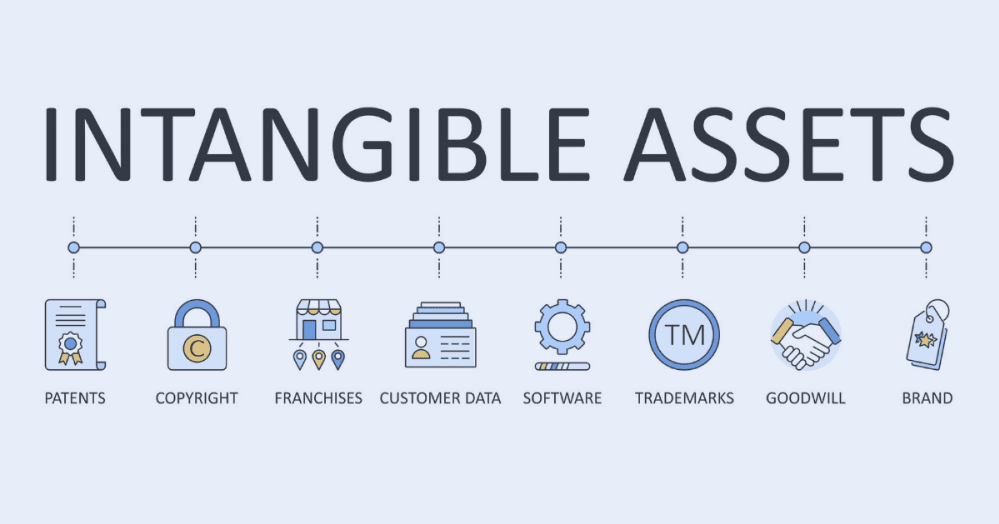
In the increasingly digital age that we live in, the most valuable assets are becoming less tangible. Investors should take heed of this trend and look to intangible assets to power the economic growth of tomorrow. Intangible assets are no strangers to accountants who have long been familiar with this category of investment, and investors should make sure they are familiar with the category as well. Intangible assets can consist of intellectual property, research and development, technology, software, human capital, and digital, managerial and organizational capabilities.3 According to research from McKinsey, the more that companies, sectors, and economies invest in intangible assets, the more growth they will deliver.
The Impact of Intangibles
The companies in the top 10% of growth invest 2.6 times more in intangible assets than those in the bottom half of growth.3 Sectors that invest the most in intangible assets grow at the fastest pace. Economies that invest in intangible assets also tend to grow fastest with a correlation being detected between intangibles investment and productivity growth. In times of low investment in intangibles, overall productivity tends to slow, as seen following the global financial crisis in 2008. Investors looking for growth should look for companies, sectors, and economies that invest in and effectively deploy intangible assets rather than those that do not and become stagnant.
Success Through Execution
From the McKinsey study, top growers were asked about what delivers their returns. The answers highlighted that it wasn’t enough to invest in intangible assets. Companies needed to execute and implement their intangible assets effectively. Top growers separated from the pack with their execution and ability to use data in real time and build out their tech architecture. It is not enough to have data and knowledge. Firms must execute their implementation to capitalize on the knowledge economy and intangible assets fully.
Value Through Supporting Success
Companies can greatly streamline their operations by effectively implementing intangible assets in the form of tech architecture. Duplication of research efforts can be greatly reduced, processes can make repetitive tasks more efficient, knowledge sharing across the organization can become more standard, and a culture of collaboration can be implemented. While these points may sound like corporate jargon, anybody who has worked at a small business without proper systems understands the headache that even simple tasks can cause. These processes allow companies to focus on growing their core lines of business and separate businesses that produce significant growth vs. those that remain stagnant. For those who can help execute intangible investments, extraordinary returns await.
The Intangible Jackpot
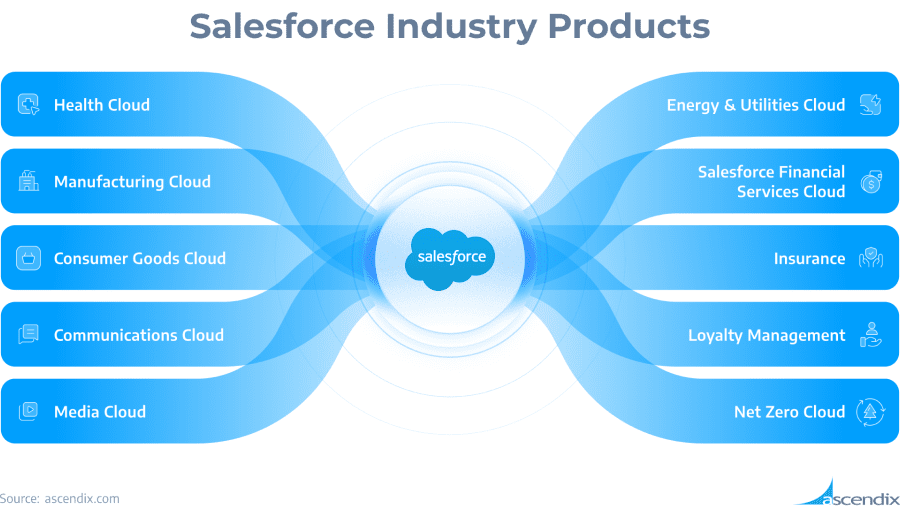
Salesforce has helped streamline thousands of businesses by developing a platform to optimize their operations, allowing the companies to focus on growing their core lines of business. For their efforts, Salesforce now commands a market cap north of $300 billion. Other players are looking at small companies more closely to tap into the potential returns that investing in and implementing intangible investments can deliver. Private equity groups have seen McKinsey's research and carved out a niche working with small and mid-sized businesses. Many private equity groups specialize in the implementation and execution of intangible assets. For some, this can mean investing in systems that can revolutionize an industry. For others, it can mean helping smaller companies implement the right solutions that are already out there. For all of them, it means investing in and executing intangible assets so that small businesses can deliver growth and carve out their slice of the future. High returns may await for platforms and private equity groups that can help small businesses build out and optimize their operations through investment in and implementation of intangible assets.
Conclusion
The knowledge economy and investment in intangible assets will likely power the next economic growth revolution. In the US, many businesses are not investing enough or not investing properly in their future through intangible assets, leaving a large opportunity. For those who have developed solutions for these companies, such as Salesforce, a large economic prize has been achieved. For those that will help implement solutions in the future, as many private equity groups are doing, a large economic prize awaits. As the world becomes increasingly digital, those who invest in intangible assets will continue to drive high growth and likely power the economy of tomorrow.
Sources:
- ThoughtCo. February 2021. “American Farm Machinery and Technology Changes from 1776–1990.”
- Buy Side Digest. 2024. “The Top 10 Pioneering Companies in the Industrial Revolution and Their Investment Impact”
- McKinsey Global Institute. July 2021. “How defining intangible investments can help grow the knowledge economy”
View the funds investing at the intersection of knowledge & technology: EdTech, Fintech, Healthcare IT, Industrial Tech, Human Capital Tech
For financial advisors only.